• Tag Archives Super Nintendo
  • GamePro (February 1997)

    Source: GamePro – February 1997

    Along with Electronic Gaming Monthly, GamePro was one of the most popular gaming magazines for a long time. In 1997 is was primarily covering the Nintendo 64, PlayStation, and Sega Saturn and was also still covering the Super NES, Sega Genesis and Neo Geo. It also had a little PC and arcade coverage. The February 1997 issue includes:

    Cover Story

    • Killer Instinct Gold – A preview of ths $80 cart for the Nintendo 64 and is basically a combination of Killer Instinct and Killer Instinct 2.

    Special Features

    • Resident Evil 2: The Horror Continues – The first sequel to the immensely popular survival horror game on the PlayStation.
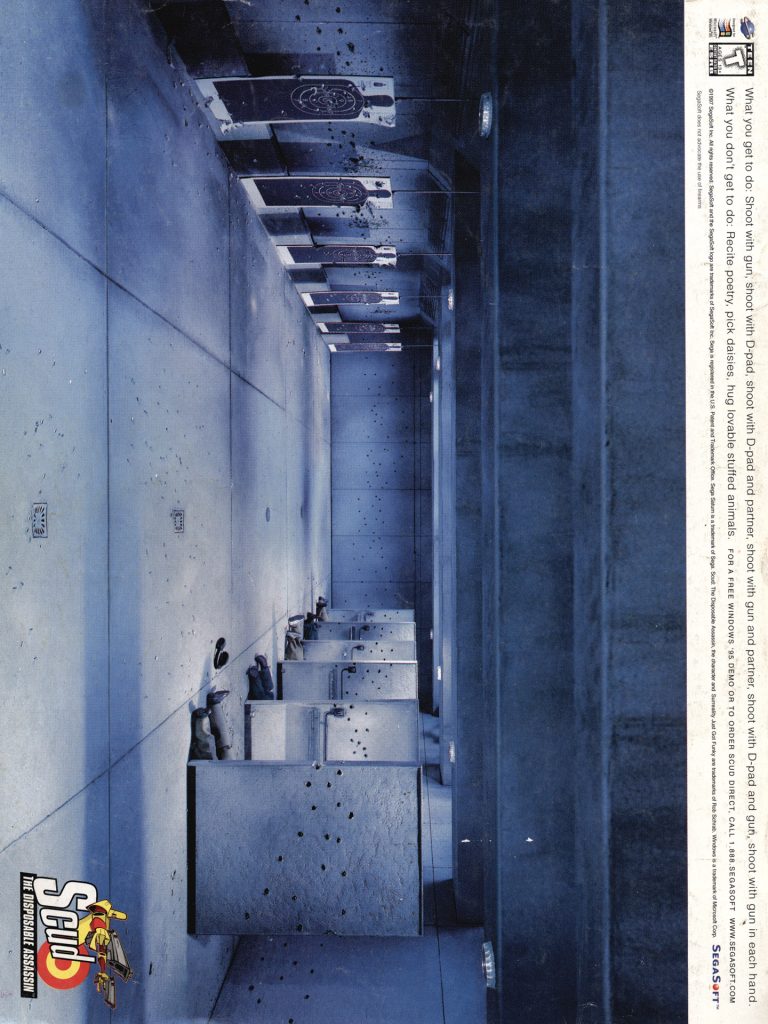
    • Have Gun Game, Will Travel – A somewhat humorous light gun game that combines both first person and side-scrolling sections. It can be played with one or two players.
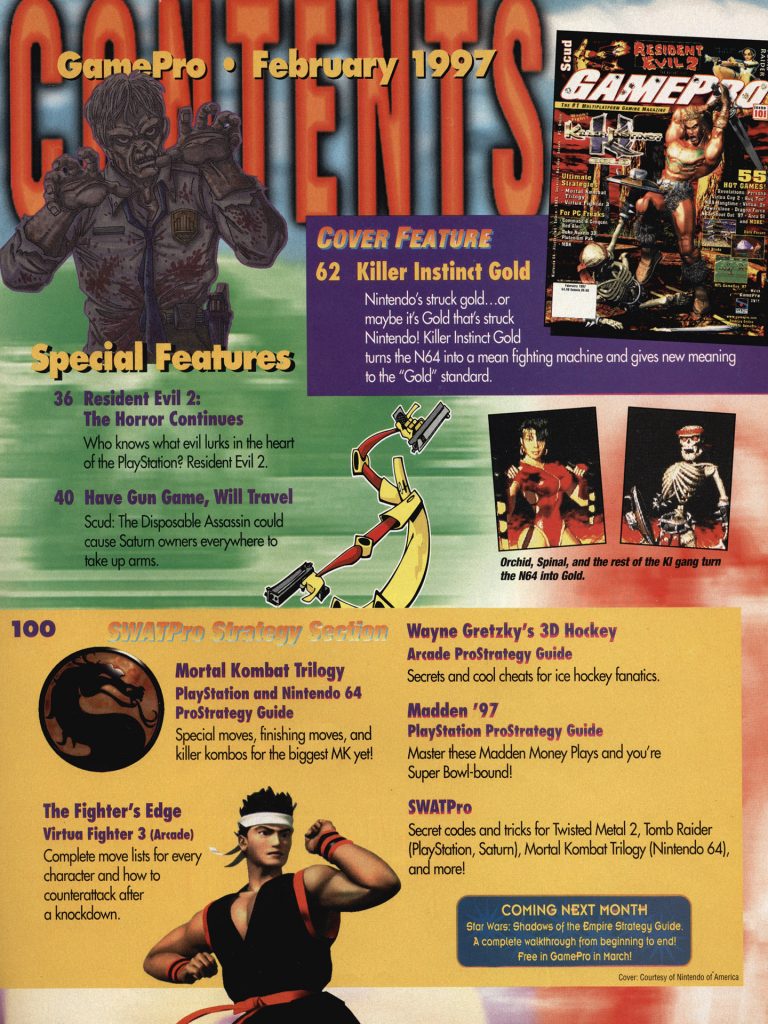
    SWATPro Strategy Section

    • Mortal Kombat Trilogy – A strategy guide for Mortal Kombat Trilogy on the PlayStation and Nintendo 64. As the name suggests, this game is really a combination of the first three Mortal Kombat games.
    • The Fighter’s Edge: Virtua Fighter 3 – A complete move list for all characters and how to counterattack in Virtual Fighter 3 in the arcade.
    • Wayne Gretzky’s 3D Hockey – A strategy guide for this arcade hockey game featuring various secrets and cheats.
    • Madden ’97 – A strategy guide for this early Madden game on the PlayStation.
    • SWATPro – Codes and various tips for Twisted Metal 2 (PlayStation), Tomb Raider (PlayStation, Saturn), Mortal Kombat Trilogy (Nintendo 64), and lots of other games.

    ProReviews

    • PC GamePro – Reviews of Command & Conquer: Red Alert, Duke Nukem 3D Plutonium PAK, SkyNET, and MDK.
    • Nintendo 64 – Reviews of Killer Instinct Gold, and Cruis’n USA.
    • PlayStation – Reviews of Tomb Raider, Dark Forces, Ten Pin Alley, Power Slave, PitBall, Burning Road, Robotron X, Hardcore 4×4, The King of Fighters ’95, Dare Devil Derby, Starwinder, Iron and Blood, Samurai Showdown III, Tempest, Machine Head, and Tunnel B1.
    • Saturn – Reviews of Bug Too!, Crusader, Virtua Cop 2, Area 51, Virtual On Cyber Troopers, Batman Forever: The Arcade Game, Spot Goes to Hollywood, and Crime Wave.
    • Super NES – Reviews of Street Fighter Alpha 2, Prince of Persia 2, Incantation, and War 3010: The Revolution.
    • Genesis – A reviews of Williams Arcade’s Greatest Hits.
    • Sports Pages – Reviews of NFL GameDay ’97 (PlayStation), NBA Hang Time (Nintendo 64), Andretti Racing (Saturn), Daytona USA Championship Circuit Edition (Saturn), NBA In The Zone 2 (PlayStation), NFL ’97 (Saturn), NHL ’97 (Saturn), NBA Hangtime (Genesis), NBA Shoot Out ’97 (PlayStation), FIFA Soccer ’97 (Nintendo 64),
    • Role-Player’s Realm – Reviews of Dragon Force (PlayStation), Warhammer: Shadow of the Horned Rat (PlayStation), and Persona (PlayStation).
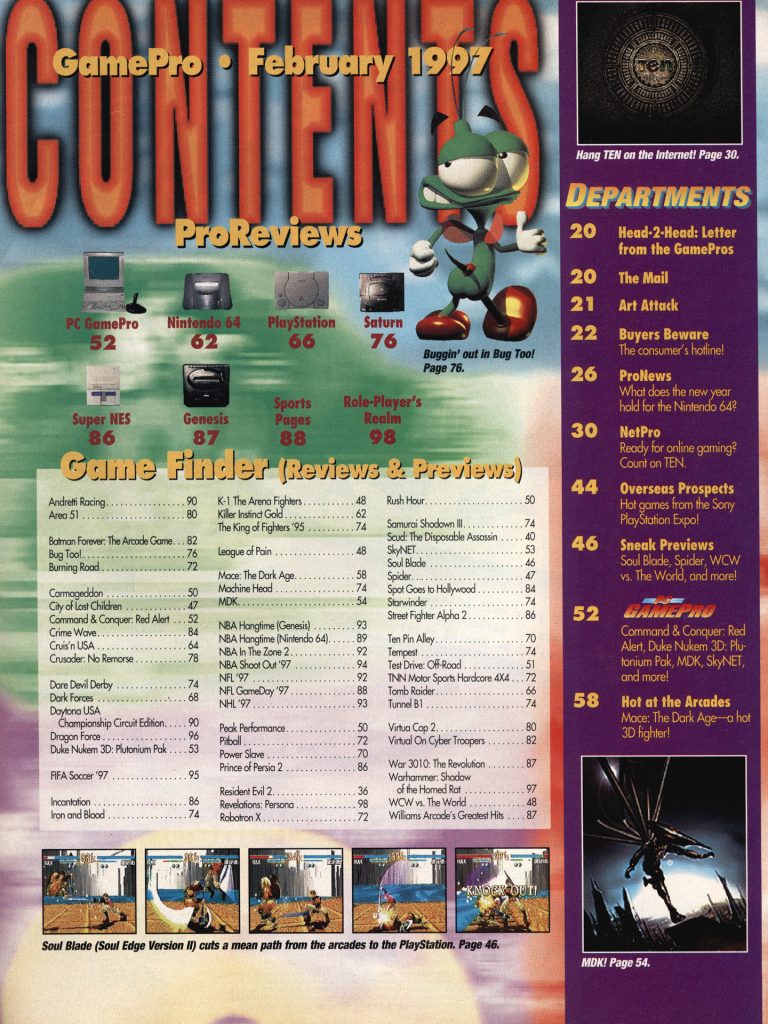
    Departments

    • Head-2-Head: Letter from the GamePros – Discussion about 3DO’s upcoming new M2 system.
    • The Mail – Letters from readers about 3DO, secret codes for Twisted Metal 2, Tecmo’s Deception, and more.
    • Art Attack – Reader submitted artwork.
    • Buyers Beware – Modifying your PlayStation to play Japanese games, Nintendo 64 controller problems, Xband support, and more.
    • ProNews – N64 and PSX game releases delayed, including Shadows of the Empire, Curis’n USA, Tetrisphere, Turok, Mission Impossible, and others; Virtual Boy discontinued; and more.
    • NetPro – How to play online games via TEN.
    • Overseas Prospects – A look at Sony PlayStation Expo ’96 in Chiba, Japan. Some new games shown include Final Fantasy VII, Puzzle Fighter, Rockman (Mega Man) 8, Ace Combat 2, Soul Edge, and more.
    • Sneak Previews – Previews of upcoming games including Spider (PlayStation), City of Lost Children (PlayStation), WCW vs. The World (PlayStation), League of Pain (PlayStation), Carmageddon (PlayStation, DOS), Rush Hour (PlayStation), Peak Performance (PlayStation), and Test Drive: Off-Road (PlayStation DOS, Windows 95).
    • Hot at the Arcades – A look at Mace: The Dark Age, a 3D fighting game from Atari Games.
    …and more!


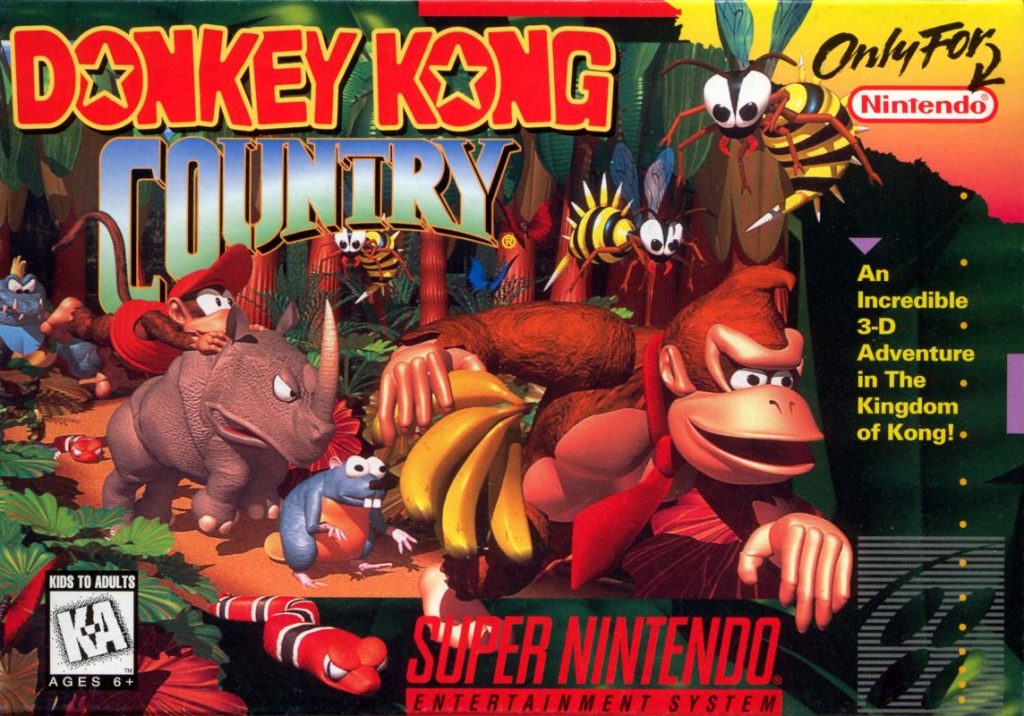
  • Donkey Kong Country (Super NES)

    Donkey Kong Country was released in 1994 by Rare for the Super Nintendo Entertainment System. In terms of graphics, sound, and game play, this game really represents the peak of 2D side-scrolling platform gaming in the 16-bit era. This game was also a major revival for the Donkey Kong franchise which really hadn’t seen a major new releases since the Atari 2600 era arcade ports.

    At a high level, Donkey Kong Country is a traditional platformer like many others. It is just particularly well executed. It follows the adventures of Donkey Kong and his sidekick, the newly introduced Diddy Kong, as they seek to recover their stolen bananas from the evil King K. Rool and his various minions. The plot isn’t anything groundbreaking but the plot in a game like this is hardly the most important thing.

    The most important aspect of Donkey Kong Country is the excellent game play. The controls are among the best for such games leaving you no reason to be frustrated on that front. You can control either Donkey Kong or Diddy Kong each of which has their own strengths and weaknesses. Donkey Kong is larger and stronger and can more easily defeat stronger enemies. However, Diddy Kong is smaller and faster. These differences add a bit of a strategic element to the game when it comes to choosing the appropriate character for a given situation.

    The levels feature a ton of variety which is always important in this kind of game (or any game really). Each level has a multitude of challenges, hidden secrets, and items to collect. The environments are also quite varied featuring locals such as industrial factories, jungles, ice caves, etc. Each of these of course has new obstacles to overcome.

    One of the more unique aspects of Donkey Kong Country is the ability to summon animal companions. Various animals can be summoned to assist you including Rambi the Rhinoceros (who can charge through enemies), Expresso the Ostrich (who provides increased speed and height), and others.

    Donkey Kong Country also broke new ground when it came to graphics on 16-bit systems. Rare used a method of creating pre-rendered 3D models (using SGI Challenge workstations) and then turning them into 2D sprites. At the time it came out, nothing else looked remotely like Donkey Kong Country. All aspects of the graphics were pretty amazing including the character models, character animations, and the detailed environments and backgrounds. The soundtrack and sound effects were equally well done. Creating the score was a major project in itself with theme music appropriate to each level.

    If all of that weren’t enough, Donkey Kong Country offers tons of replayability and an excellent difficulty curve. The game starts off pretty easy with difficulty ramping up as you progress through the levels. It never gets so hard as to be frustrating. For more advanced players, the true difficulty and replayability of the game comes from completing levels 100% by exploring all areas, collecting all necessary items and completing all challenges.

    Donkey Kong Country was a huge success for Rare and was the game that really brought them into the spotlight. It was a huge influence of future platformers, not the least of which are its own sequels including Kong Country 2: Diddy’s Kong Quest and Donkey Kong Country 3: Dixie Kong’s Double Trouble.

    There have been a variety of ports and re-releases over the years. There was a port of this game on the Game Boy Color in 2000 that was a pretty faithful conversion. There was another release on the Game Boy Advance in 2004 which was nearly identical to the Super NES original. There were also a few releases of the original Super NES version on the Virtual Console for the Wii, 3DS and Wii-U. The most recent re-releases have been as part of the Super NES Classic Edition in 2017 and via Nintendo Switch Online in 2020.

    If you are a platform game fan then this game is a game you don’t want to miss and if you enjoy this one, you’ll probably enjoy the two sequels mentioned above as well. There have been additional sequels and spinoffs over the years but the original is still something special. Perhaps more than any other game, Donkey Kong Country was responsible for keeping the Super NES relevant in the face of the impending PlayStation and Saturn releases (the N64 wouldn’t be released until a couple of years later) and in claiming ultimate victory in the 16-bit wars.


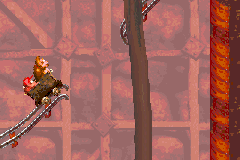
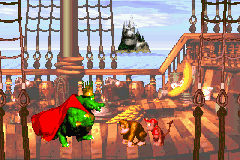
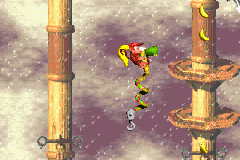
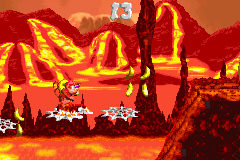
  • Donkey Kong Country 2: Diddy’s Kong Quest (Super NES)

    Source: Coaster Crunch ‘Donkey Kong Country 2’ Super Nintendo Support us on Patreon

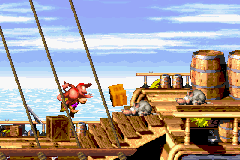
    Donkey Kong Country 2: Diddy’s Kong Quest was released by Rare for the Super NES in 1995. It was the sequel to a very successful platformer so it had a lot to live up to. Fortunately, it was up to the task.

    Donkey Kong Country 2 was released near the height of the popularity of the 2D platformer style game, the side scrolling action type of game popularized by the original Super Mario Brothers. This was also near the height of 16-bit gaming. In other words, the graphics and sound capabilities of the Super NES were being fully exploited by this point and the mechanics of the 2D platformer had been pretty much perfected. Donkey Kong Country 2 demonstrates this quite well.

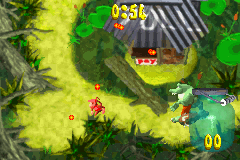
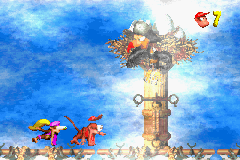
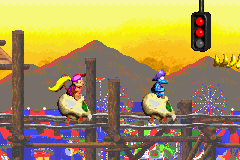
    In Diddy’s Kong Quest, players take on the roles of Diddy Kong and his girlfriend, Dixie Kong, as they attempt to rescue Donkey Kong from the evil K. Rool. Like most platformers, this game features a mix of side-scrolling action, platforming challenges, and puzzle-solving elements. Players navigate through a variety of vibrant and imaginative worlds, each with its own set of levels that introduce unique themes, enemies, and obstacles. One of the ways in which this game excels is in the variety of levels, enemies and obstacles. The game is challenging but you don’t have to worry about being bored or suffering from overly repetitive game play.

    The other unique way in which this game excels is in the cooperative game play elements. Whether you are playing by yourself or with a friend (one controlling Diddy and the other Dixie), you’ll have to use the right character for the given challenge. Each character has its own advantages. Diddy Kong is faster and more agile while Dixie can glide and reach greater heights via a helicopter spin.

    As far as graphics go, this game really broke new ground. Rare used pre-rendered 3D graphics to create the 2D sprites which gave the game a very distinct look. This was novel at the time and of course the graphics were excellent. In addition to this, the character animations and backgrounds were all extremely well done.

    Likewise, the music was also extremely well done. There is a wide variety of tunes that match the distinct feel of each level. Sometimes sound and music don’t strike you as immediately as the graphics but the nostalgia that certain music and even sound effects from games can trigger is an indication of just how good they were in many case.

    If you are a fan of 16-bit games or 2D platformers that this really isn’t one you should miss. I know many people (myself included) may feel that the theme isn’t serious enough or prefer a more fantasy or sci-fi feel (myself included) but as one of the best 2D platformers of all time, you should really at least give it a try.

    You can of course check this game out on an original SNES system but I don’t think used copies are cheap. It was also released for the Game Boy Advance and via the Wii and Wii U virtual consoles, Nintendo 3DS Virtual Console and the Nintendo Switch online service. You should also check out the original Donkey Kong Country and the sequel to this game, Dixie Kong’s Double Trouble! There were further sequels and follow-ups on the Nintendo 64 though these have a different feel to them.