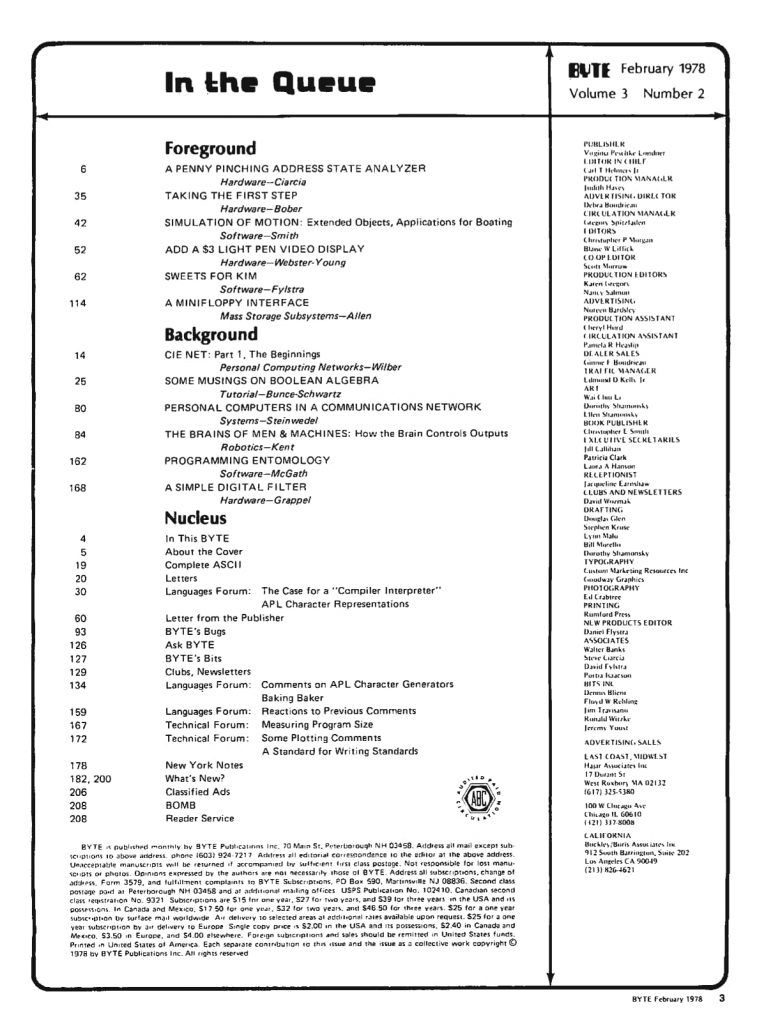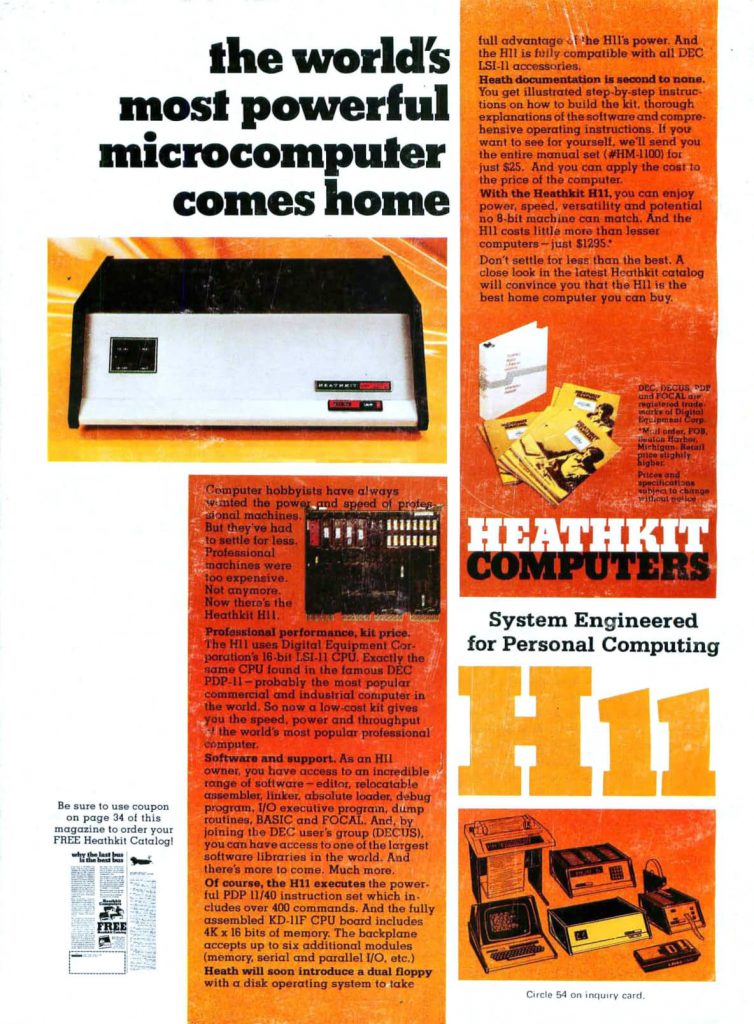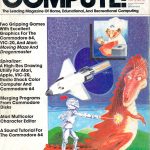


Compute! was perhaps the first magazine for home computer users. Not just hobbyists building or putting together their own computers but those wanting to by computers and use commercial software. It concentrated on 6502 based computers in its early days but eventually covered most popular home computers. The October 1983 issue includes:
Features
- Telegames: Computer Games By Phone – Online games were a thing even in these early days. There were a few games around that you could play vs. another player via modem and online services such as Compuserve had multiplayer games. Compuserve had perhaps the first online game with Space Wars.
- Nonviolent Games – Violence in games isn’t as controversial as it once was. However, throughout the 1980s, there was a lot of discussion about it. This summarizes some of that discussion in the early days.
- Coupon File – This type-in program for multiple systems is designed to allow you to file and search for coupons. However, it can be adapted to a variety of purposes.

Education and Recreation
- Dragonmaster – A type-in action/adventure game for the VIC-20, Commodore 64 and Atari 400/800 in which you must battle dragons and escape a wizard in order to save a princess.
- Moving Maze – A type-in game for the VIC-20, Atari 400/800, and Commodore 64 in which you must make your way through moving walls before time runs out while evading a relentless pursuer.
- Mosaic Puzzle – A type-in sliding tile game in which you must get all of the tiles in order for the VIC-20, Commodore 64, Atari 400/800, and TI-99/4A.
- Spelling Quiz – A type-in spelling program for the Atari 400/800 and VIC-20 that allows you to provide a list of up to 20 words at a time to be tested on.
Reviews
- Jumpman – A now classic 8-bit computer game reviewed here for the Commodore 64, Atari 400/800, and Apple II.
- Synthy 64 – A music creation program for the Commodore 64.
- VICFORTH – An implementation of the FORTH language on cassette for the VIC-20.
- Flower Power Math Fun – An educational math game for the Commodore 64 and Apple II.
- Mothership For Timex/Sinclair – An action game for the Timex/Sinclair 1000 in which you must battle through a trench somewhat like in Star Wars only there are no 3D graphics here.
- Turmoil For VIC, 64, And Atari – A fast action game in which you must destroy the aliens before they destroy you.
- The Commander – A Command Extension Utility – A 4K ROM for PET/CBM computers that extends the functionality of BASIC 4.0.
- Picnic Paranoia For Atari – Defend your picnic from various insects in this classic game for the Atari 400/800.
Columns And Departments
- The Editor’s Notes – The results of a previous subscriber survey.
- Readers’ Feedback – Letters from readers about using an electric typewriter as a printer, adjusting VIC-20 audio and video, TRS-80 Model I equipment for charity, transferring BASIC programs from the PET to VIC-20 and Commodore 64, sprites on the Commodore 64, and more.
- Computers and Society – Simulations vs. games, VisiCalc as a language, and more.
- The Beginner’s Page: Your First Useful Program – A useful type-in program for storing data in various ways.
- Questions Beginners Ask – Questions answered about 8- vs. 16-bit computers.
- On The Road With Fred D’Ignazio – A report on trips to the West Coast Computer Faire, Florida Instructional Computing Conference, Children’s Computer Workshop, and more.
- Friends Of The Turtle: Ed Emberley’s Drawing Procedures – Drawing squares, houses, and more with turtle graphics.
- The World Inside The Computer: Islands Of Learning – Using computers to teach children to read.
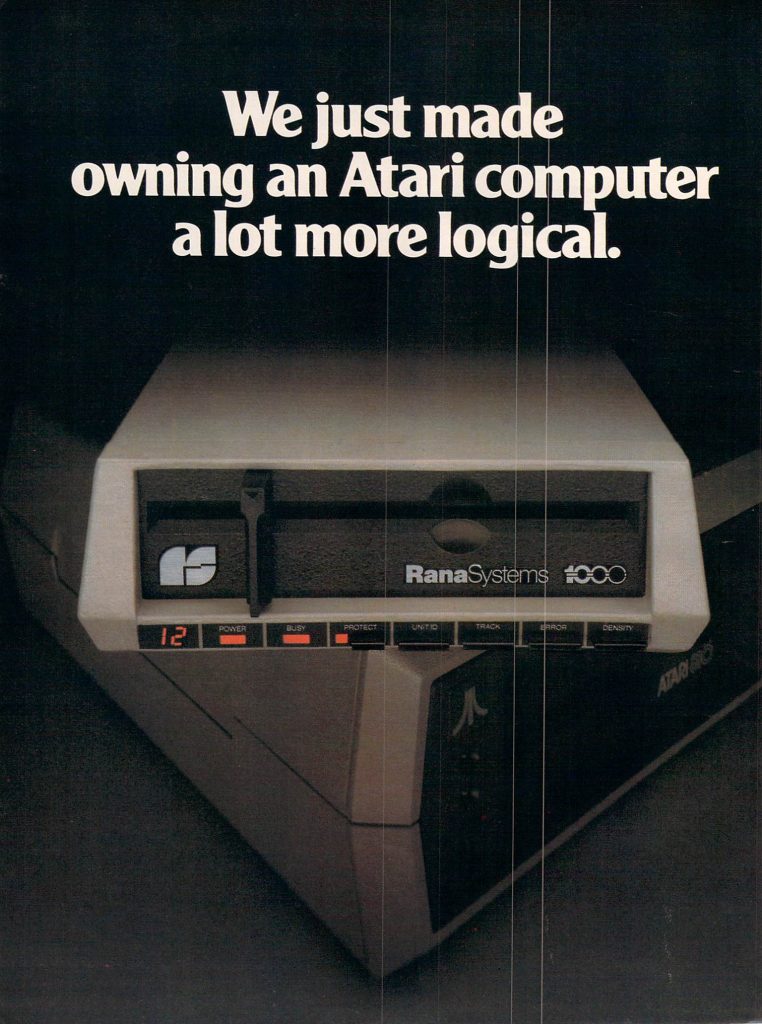
- INSIGHT: Atari – Some technical details on how Atari’s new 1050 disk drives work plus info on new graphics modes provided by the GTIA.
- 64 Explorer – The first of a two part series on using the STATUS variable in Commodore 64 BASIC.
- Machine Language: Bagel Break, Part 3 – The third part in a series on creating a machine language game called ‘Bagels’ on Commodore computers.
- Programming The TI: Playing Music On The TI – A type-in program for the TI-99/4A called TI Music Maker that allows you to create and play music.
The Journal
- Merging BASIC Programs From Commodore Disk – A program for merging two BASIC programs on disk.
- Spiralizer – A type-in program for creating high resolution spiral graphics on the VIC-20, Commodore 64, Atari 400/800, and Color Computer.
- Commodore EXEC – A technique for accessing subroutines from a disk file.
- Atari Master Disk Directory – A disk menu program that let you update the directory, search the disk, search a file, print labels, and more.
- Runway 180: Using Sprites In TI Extended BASIC – A type-in game that demonstrates using sprites in TI Extended BASIC.
- How To Create A Data Filing System, Part 4: The Main Program – The final part in a series on creating a database like filing system.
- Invisible Disk Directory For VIC And 64 – A type-in program that will allow you to display a disk directory while retaining your current program in memory.
- A Multicolor Atari Character Editor – A type-in program called ‘ANTIC Aerobics’ that allows you to animate characters.
- High Speed Mazer – A maze generating program for the PET, VIC-20, and Commodore 64 as well as an action/strategy game that makes use of this for the PET and Commodore 64.
- Apple Sounds – From Beeps To Music, Part 1 – The first in a two part series on creating sound and music on the Apple II. Includes a variety of sample programs.
- Extra Instructions – A technique for combining opcodes on 6502 based computers.
- Commodore DOS Wedges: An Overview – What a DOS Wedge does and how to use it.
- Protector For VIC-20 – A type-in program that demonstrates how to disable the SAVE, RESTORE, STOP, and LIST commands in order to protect your programs.
- USR Sort – Using the Atari’s USR function to create subroutines that implement new commands.
- Working With SID – Treating the SID like a music synthesizer.
- Atari Safe RAM – A type-in programming for managing memory more efficiently on the Atari 400/800.
- VIC Scaling Bar Graphs – A type-in program for creating bar graphs on the VIC-20.
- 64 Character Creator – A type-in menu-driven program for creating, modifying, and saving custom characters on the Commodore 64.

…and more!